
Precision Mould Maker in India | Shinho Precision Pune Pvt Ltd
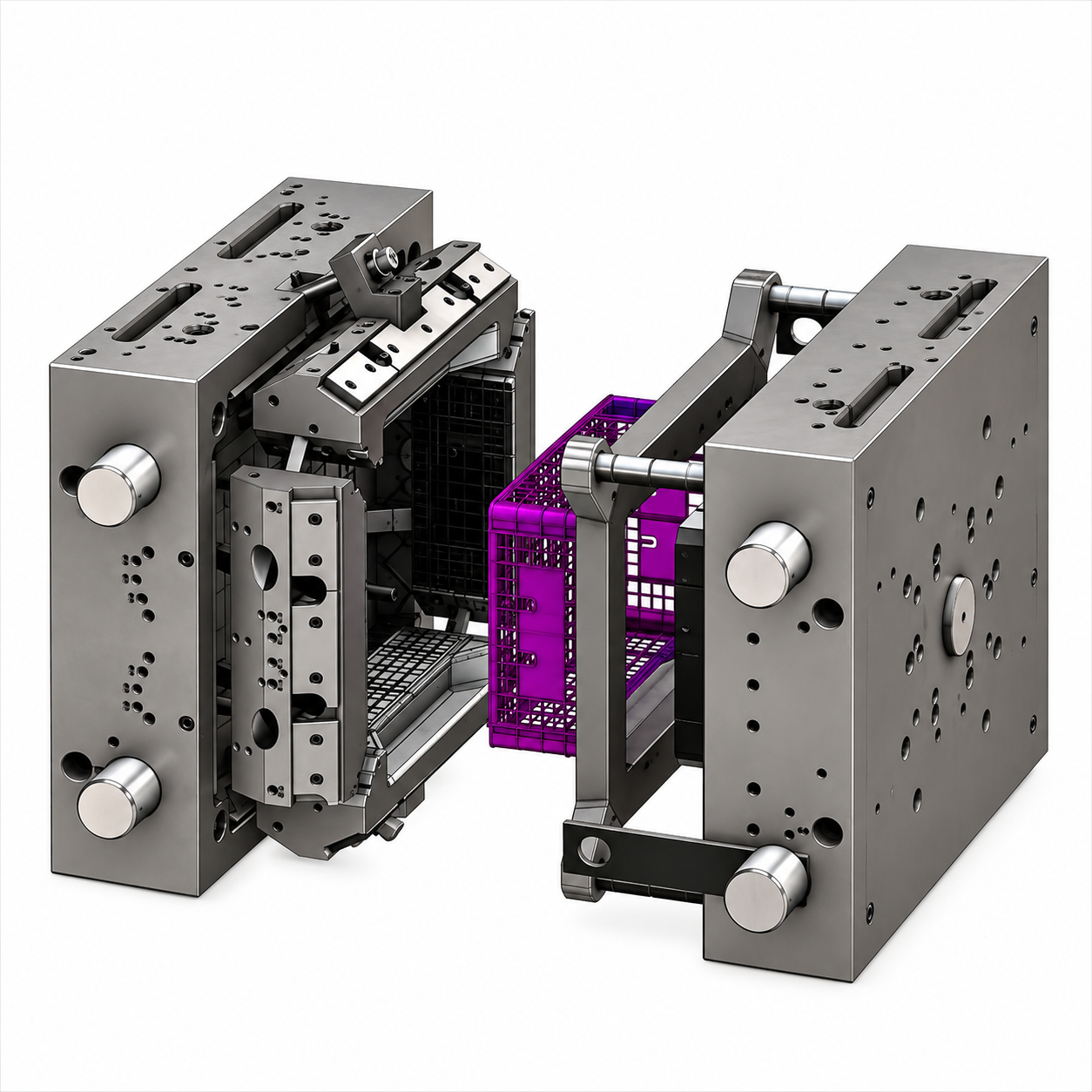


Shinho Precision Pune Pvt Ltd is leading Precision Mould Makers in India. A precision mould maker specializes in developing accurate moulds and tooling for manufacturing high-quality plastic and technical components. These moulds are engineered according to product geometry, dimensional requirements, material specifications, and production volume.
Modern manufacturing requires reliable tooling to achieve consistent component dimensions, smooth surface finishes, and repeatable production cycles. Advanced machining equipment, CAD/CAM technologies, and inspection systems help manufacturers meet demanding tooling requirements.
From automotive and electrical products to medical devices and industrial components, precision moulds support many manufacturing applications. Choosing an experienced tooling partner can help improve production efficiency, product consistency, and overall manufacturing performance.
What is Precision Mould Making?
Precision mould making is the process of designing, machining, assembling, and testing moulds that are used to manufacture components with accurate dimensions and complex features. The process involves detailed product analysis, engineering design, material selection, precision machining, finishing, assembly, and quality inspection. Properly manufactured moulds help maintain repeatability during production. They are particularly useful for components requiring tight tolerances and consistent quality.
Types of Precision Mould Maker
As we are leading Precision Mould Maker Manufacturers in India, our Types are designed to meet different application requirements and industry standards, including the following types:
- 1. Precision Mould Tooling: Precision mould tooling includes specialized cavities, cores, inserts, plates, and mechanisms designed to produce components with accurate dimensions. It is suitable for applications requiring reliable repeatability.
- 2. Mould Design and Engineering: Mould design and engineering involves developing the complete tooling concept according to component geometry, material, production volume, cooling requirements, runner configuration, and ejection system.
- 3. High Precision Tooling: High precision tooling is designed for components requiring tight tolerances and detailed features. It is commonly used in industries where dimensional accuracy and repeatability are critical.
- 4. Injection Mould Tooling: Injection mould tooling is developed for manufacturing plastic components through injection moulding. It includes cavities, cores, runners, cooling channels, and ejection mechanisms.
- 5. Plastic Mould Tooling: Plastic mould tooling is designed specifically for producing plastic products in different shapes and sizes. It can be customized according to component design, material, surface finish, and production requirements.
Working Principle of Precision Mould Manufacturing
- Step 1: Product Requirement Analysis: The product drawing and technical specifications are reviewed to understand dimensions, tolerances, geometry, material, and production objectives.
- Step 2: Tool Design: Engineers prepare the tooling design using suitable CAD software. Cavity layout, parting lines, cooling channels, runners, inserts, and ejection systems are considered.
- Step 3: Material Selection: Tooling material is selected according to expected production volume, wear requirements, component material, operating conditions, and required tool life.
- Step 4: Precision Machining: Tool components are manufactured using CNC milling, turning, grinding, EDM, drilling, and other suitable machining technologies.
- Step 5: Assembly: Individual mould components are assembled and accurately aligned to create the complete tooling system.
- Step 6: Trial and Inspection: The completed mould is tested using the required production material. Trial components are inspected for dimensions, surface finish, filling, and other specifications.
- Step 7: Final Adjustment: Any required corrections or refinements are completed before final approval. The mould is then prepared for regular production.
Features and Benefits of Precision Mould Maker
As Precision Mould Maker Suppliers in India, our products provide several Features and Benefits including consistent quality, smooth finish, and long service life.
| Features | Benefits |
|---|---|
| Accurate machining | Helps achieve consistent component dimensions and reliable tooling performance. |
| Complex geometry capability | Allows detailed and technically demanding products to be manufactured accurately. |
| High dimensional accuracy | Helps maintain tight tolerances and consistent product fitting. |
| Precision surface finishing | Supports smooth and controlled surface finishes according to product requirements. |
| Optimized material flow | Helps provide uniform cavity filling and can reduce moulding-related defects. |
| Multiple cavity configurations | Enables higher production output by producing multiple components per cycle. |
| Automated ejection | Helps remove finished components efficiently and reduces manual handling. |
| Interchangeable inserts | Simplifies tooling modifications, repairs, and replacement of selected mould sections. |
| Quality-focused manufacturing | Helps maintain consistent tooling quality throughout the manufacturing process. |
| Repeatable production | Supports consistent component output across multiple production cycles. |
| Easy maintenance | Makes regular inspection, cleaning, servicing, and replacement of tooling parts easier. |
| Reduced material wastage | Optimized tooling and runner configurations can help reduce unnecessary material consumption. |
| Production efficiency | Helps improve cycle performance and overall manufacturing productivity. |
| Extended tooling life | Suitable materials, machining, maintenance, and operating practices can increase tooling longevity. |
| Application flexibility | Allows tooling to be developed for automotive, electrical, medical, industrial, consumer, and |
Applications of Precision Moulds
As Precision Mould Exporters in India, our all types are used in various types of industrial sectors such as:
- 1. Automotive Industry: Precision moulds are used to manufacture automotive covers, trims, brackets, housings, interior components, and technical plastic parts. Accurate tooling helps maintain consistency during high-volume production.
- 2. Electrical Components: Electrical manufacturers use precision moulds for connectors, switches, plugs, housings, junction boxes, and protective components. Accurate tooling supports proper assembly and dimensional consistency.
- 3. Medical Products: Medical and healthcare manufacturers require moulds for devices, laboratory products, disposable components, and specialized plastic parts. Consistent tooling helps maintain product specifications.
- 4. Electronics: Electronic products often contain small and detailed plastic components that require accurate tooling. Precision moulds support the production of housings, connectors, covers, and protective parts.
- 5. Industrial Equipment: Industrial applications include machine covers, brackets, housings, connectors, and customized technical components. Reliable tooling supports repeatable manufacturing and consistent component quality.
- 6. Consumer Products: Household products, appliance parts, handles, containers, caps, and other consumer items can be produced using customized moulds. Tooling can incorporate specific shapes, textures, and surface finishes.
- 7. Packaging: Precision moulds are used to manufacture containers, caps, closures, and other packaging components. High-volume tooling supports efficient production while maintaining dimensional consistency.
Why Choose Us?
As Providers of Precision Mould Services in India, we deliver premium-quality Services designed to meet diverse industrial requirements. Here's why we stand out:
- Technical Expertise: Our team has knowledge of mould design, machining, assembly, materials, cooling systems, and production requirements. This helps us develop practical solutions for different applications.
- Customized Tooling: Every component has different requirements. We develop tooling according to product drawings, tolerances, material specifications, production volume, and application conditions.
- Precision Manufacturing: We use suitable machining and inspection methods to achieve the required dimensions and surface characteristics. Careful manufacturing helps improve tooling reliability.
- Quality-Focused Approach: Quality checks are performed during important stages of design, machining, assembly, and testing. This helps identify potential issues before the mould enters regular production.
- Complete Tooling Support: We support customers through design evaluation, tooling development, machining, assembly, testing, and necessary modifications. This provides a streamlined approach to precision tooling requirements.
Choose Shinho Precision Pune Pvt Ltd is leading Precision Mould Maker Manufacturers, Suppliers, Exporters and Service Providers in India. Precision mould manufacturing plays an important role in producing accurate, consistent, and reliable components across multiple industries. Proper engineering, material selection, machining, assembly, and inspection are essential for achieving dependable tooling performance. Customized moulds can support applications ranging from automotive and electrical products to medical, electronics, industrial, and packaging components. Advanced manufacturing technologies further improve dimensional accuracy and repeatability. Selecting an experienced tooling partner can help manufacturers improve productivity, reduce production variations, and achieve consistent product quality.
FAQ's
Precision mould tooling refers to accurately manufactured mould components and assemblies used to produce products with controlled dimensions and repeatable quality. It can include cavities, cores, inserts, plates, runners, and ejection systems.
Good mould design ensures proper material flow, cooling, ejection, component formation, and dimensional accuracy. It can also reduce production problems and improve overall manufacturing efficiency.
Tool steels and other engineering materials are commonly selected based on production volume, component material, wear requirements, hardness, surface finish, and expected service life.
Mould accuracy can be verified using precision measuring equipment, dimensional inspection systems, gauges, and coordinate measurement technologies. Trial components can also be inspected against approved specifications.
Yes. Precision moulds can be customized according to component geometry, dimensions, tolerances, material, surface finish, production volume, and specific manufacturing requirements.