
Electrical Plastic Component Moulding Services in Pune
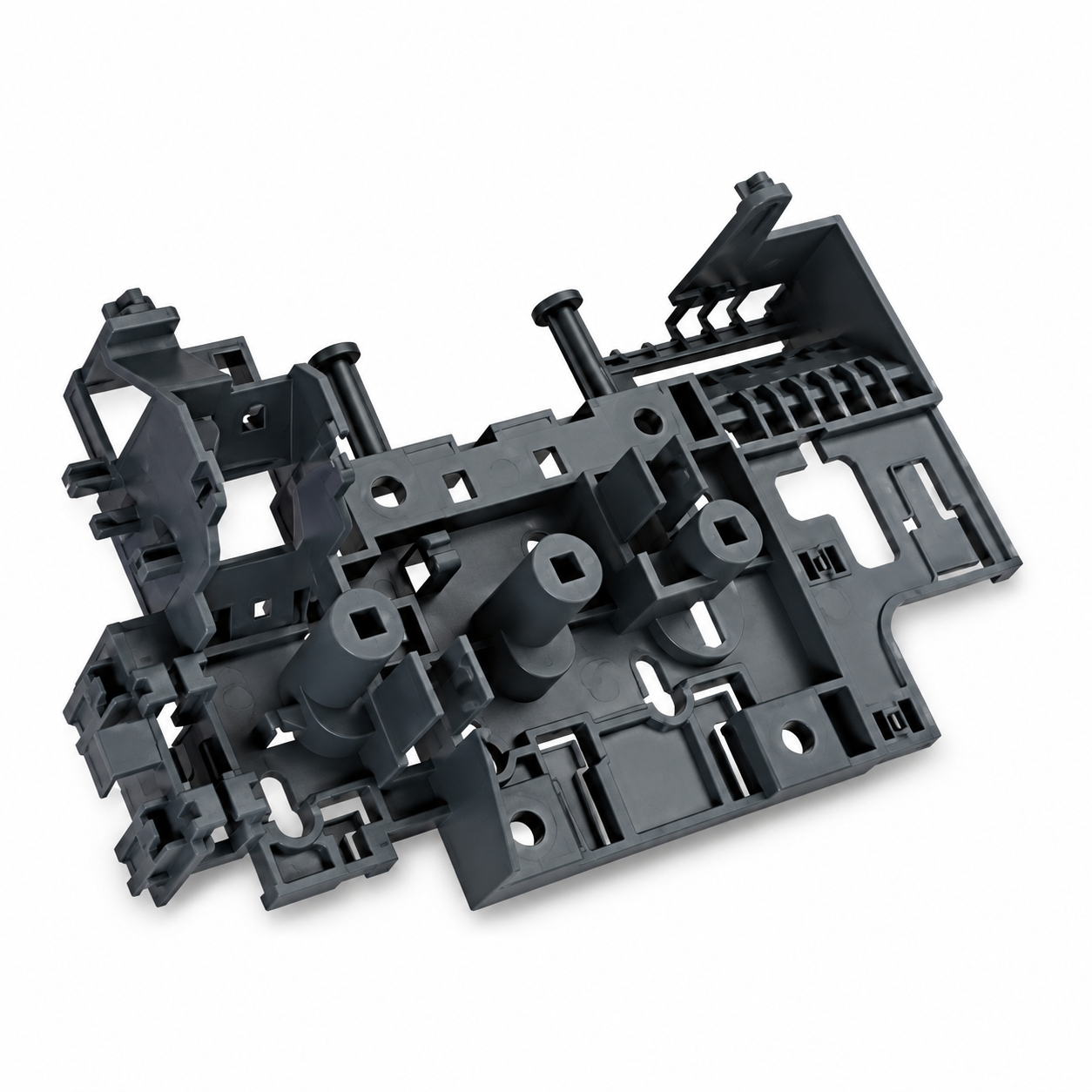


Shinho Precision Pune Pvt Ltd is leading Electrical Plastic Component Moulding Services in Pune. Electrical plastic component moulding services provide specialized manufacturing solutions for producing accurate and durable plastic parts used in electrical products. These components require consistent dimensions, reliable performance, and suitable material properties.
Plastic moulding enables manufacturers to produce complex electrical parts in different shapes, sizes, and designs. It is commonly used for switches, socket components, covers, plates, housings, and other electrical accessories.
Proper mould design, material selection, precision machining, and controlled production are important for achieving consistent results. A professionally developed tooling solution can support efficient production while maintaining the required product specifications.
What is Electrical Plastic Component Moulding?
Electrical plastic component moulding is a manufacturing process used to produce plastic parts for electrical products through controlled moulding techniques. Molten plastic is formed inside a precision cavity and cooled to create the required component shape. The process can accommodate different product designs and production volumes. It is particularly suitable for components requiring dimensional accuracy, consistent surface finish, and repeatable manufacturing.
Types of Electrical Plastic Components Moulding
As we are leading Electrical Plastic Components Moulding Manufacturers in Pune, our Types are designed to meet different application requirements and industry standards, including the following types:
- 1. Electrical Switches: Electrical switches (rocker, toggle, push-button, rotary) are manufactured using specially designed moulds that create accurate housings and operating components. Different switch designs require specific cavity configurations and dimensional tolerances.
- 2. Switch Plates and Face Covers: Switch plates / face covers provide a protective and finished appearance around electrical switches. They can be produced in different shapes, sizes, textures, and surface finishes according to product requirements.
- 3. Socket Outlets: Socket outlets (2-pin, 3-pin, universal) require accurately moulded plastic bodies and protective components. Proper tooling helps maintain the dimensions needed for reliable electrical assembly and installation.
- 4. Electrical Housings: Electrical housings protect internal components and provide structural support for electrical devices. They can be manufactured with openings, mounting points, clips, and other design features.
- 5. Connectors and Terminal Covers: Connectors and terminal covers are used to organize and protect electrical connections. Precision moulding enables manufacturers to produce detailed components with consistent dimensions.
Working Principle of Electrical Plastic Component Moulding
- Step 1: Product Design Analysis: The component drawing is reviewed to understand dimensions, geometry, wall thickness, mounting features, tolerances, and material requirements.
- Step 2: Mould Design: Engineers develop the mould according to the product design. Cavity layout, parting lines, runners, cooling channels, and ejection mechanisms are considered.
- Step 3: Material Preparation: Suitable plastic material is selected according to the component's electrical, mechanical, thermal, and application requirements.
- Step 4: Melting: Plastic granules are heated inside the moulding machine until they reach the required molten state.
- Step 5: Injection: The molten material is injected into the mould cavity under controlled pressure. It fills the cavity and takes the shape of the designed component.
- Step 6: Cooling: The material is cooled inside the mould until it solidifies sufficiently. Controlled cooling helps maintain dimensional stability.
- Step 7: Ejection and Inspection: The finished component is ejected from the mould and inspected for dimensions, appearance, defects, and other required specifications.
Features and Benefits of Electrical Plastic Component Moulding
As Electrical Plastic Component Moulding Suppliers in Pune, our products provide several Features and Benefits including consistent quality, smooth finish, and long service life.
| Features | Benefits |
|---|---|
| Precision mould design | Produces accurately shaped electrical components with consistent dimensions. |
| Consistent production | Helps maintain uniformity across production batches and improves product reliability. |
| Complex geometry | Supports detailed product designs, functional features, and intricate component shapes. |
| Material flexibility | Allows selection of suitable plastics according to electrical, mechanical, and thermal requirements. |
| High-volume capability | Supports efficient production of large quantities with repeatable results. |
| Customized tooling | Allows moulds to match specific product designs, dimensions, and manufacturing requirements. |
| Quality inspection | Helps identify dimensional and visual defects before assembly or final production. |
| Accurate dimensional control | Helps ensure proper component fitting and reliable electrical product assembly. |
| Efficient cooling system | Helps control cooling rates and supports dimensional stability during production. |
| Optimized material flow | Promotes uniform cavity filling and can reduce filling-related defects. |
| Multiple cavity configurations | Can increase production output by manufacturing several components in one cycle. |
| Easy maintenance | Simplifies inspection, cleaning, servicing, and replacement of tooling components. |
| Repeatable production | Helps maintain consistent component quality throughout continuous manufacturing. |
| Reduced material wastage | Optimized tooling and runner systems can help minimize unnecessary material consumption. |
| Design flexibility | Supports the development of different electrical component shapes, sizes, and configurations. |
| Production efficiency | Helps improve cycle performance and overall manufacturing productivity. |
| Long-term tooling reliability | Proper material selection, maintenance, and operation can support extended tooling life. |
Applications of Electrical Plastic Component Moulding
As Electrical Plastic Component Moulding Exporters in Pune, our all types are used in various types of industrial sectors such as:
- 1. Residential Switches: Moulding is used to manufacture plastic bodies, covers, buttons, and related parts for household switches. Accurate components support proper assembly and finished product appearance.
- 2. Socket Outlets: Plastic components are widely used in domestic and commercial socket products. Precision tooling helps produce bodies and protective parts with consistent dimensions.
- 3. Switch Plates: Decorative and protective plates are manufactured in different sizes and designs to suit electrical switch systems. Surface finish and dimensional consistency are important considerations.
- 4. Electrical Enclosures: Plastic housings and enclosures protect electrical components from physical contact and environmental exposure. Moulding allows different enclosure configurations to be produced.
- 5. Connectors: Electrical connectors require small, accurately formed plastic bodies that hold terminals and other internal components. Precision production supports reliable assembly.
- 6. Control Panels: Plastic components are used in control panels for buttons, switches, covers, bezels, and protective sections. Customized tooling can accommodate different panel designs.
- 7. Consumer Electrical Products: Many household electrical products contain moulded plastic housings, buttons, covers, and internal support components. High-volume moulding enables consistent production for consumer markets.
Why Choose Us?
As Providers of Electrical Plastic Component Moulding Services in Pune, we deliver premium-quality Services designed to meet diverse industrial requirements. Here's why we stand out:
- 1. Electrical Component Expertise: Our team understands the specific requirements associated with electrical plastic products, including component dimensions, assembly requirements, material selection, and tooling considerations.
- 2. Customized Mould Development: We develop moulds according to product drawings and technical specifications. Cavity layouts, cooling, runners, and ejection systems are planned according to the component design.
- 3. Precision Manufacturing: Accurate machining and inspection help achieve consistent component dimensions. This supports reliable assembly and finished product quality.
- 4. Production Efficiency: Well-designed tooling can support shorter production cycles and consistent output. This makes the process suitable for both standard and high-volume electrical products.
- 5. Quality Support: We focus on quality throughout design, mould manufacturing, trial production, and inspection. Technical support helps address tooling and production requirements efficiently.
Choose Shinho Precision Pune Pvt Ltd is leading Electrical Plastic Component Moulding Services in Pune. Electrical plastic moulding plays an important role in manufacturing switches, socket components, plates, covers, housings, connectors, and other electrical accessories. Proper tooling enables accurate dimensions, repeatable production, and consistent product quality. Material selection and mould design should be based on the electrical, mechanical, thermal, and functional requirements of each component. Advanced moulding technology can support both customized products and large-scale manufacturing. Choosing an experienced manufacturing partner can help achieve reliable tooling and efficient production.
FAQ's
Materials are selected according to the product's electrical insulation, thermal performance, mechanical strength, durability, and application requirements. The appropriate material depends on the specific component and operating conditions.
Moulds are designed based on component geometry, dimensions, wall thickness, material flow, cooling requirements, parting lines, and ejection needs. CAD tools are commonly used to develop and validate the design.
Yes, moulds can be developed for rocker, toggle, push-button, rotary, and other switch configurations. Each design can have its own cavity and tooling requirements.
Yes, tooling can be customized for different socket configurations, including 2-pin, 3-pin, and universal designs. The mould is developed according to the dimensions and assembly requirements of the selected product.
Moulded components can provide consistent dimensions, repeatable production, customized designs, suitable surface finishes, and efficient high-volume manufacturing. They can also support the integration of functional features into a single component.